Budget-friendly recipes
Comforting dishes such as Build Your Own Casserole and Corn Chowder, made with affordable, everyday ingredients.
- Flexible, pantry-friendly ingredients
- Designed to batch and reheat
- Home cooking instead of take-out
Home-cooked food that keeps the grocery bill down. Budget-friendly recipes and weekly meal plans built around affordable ingredients, written by Kristin, a CPA, for readers saving money and paying off debt.
Cooking at home is one of the simplest ways to cut everyday spending — and it pairs naturally with a reduce your daily expenses plan.
These recipes and meal plans are written for real household budgets. Ingredients are chosen for what is affordable and easy to find, and each one scales well for a week of leftovers.
Cooking at home is one of the most reliable ways to trim a monthly food budget, and the recipes collected here are written with that goal in mind. Rather than fancy techniques or hard-to-find ingredients, each approach leans on staples that are affordable, easy to find, and forgiving when you need to cook for a whole week. The result is dinner that tastes planned rather than reheated, and a grocery bill that stops being a surprise.
A weekly meal plan is really just a budget you can see. Deciding in advance what you will cook removes the end-of-day scramble for something quick, which is where most impulse spending sneaks in. When you know dinner is handled and what is on the shopping list, the rest of your spending decisions get easier too. Planning is not about restriction; it is about replacing uncertainty with intention.
Scaling recipes up for a family of eaters is one of the kitchen skills that quietly pays for itself. Cooking a larger batch means fewer separate cooking sessions, less fuel and less time, and leftovers that cover lunches or a second dinner. Portioning also makes it simpler to track how much you actually spend on food per week, which is the first step toward understanding where the money in your budget is really going.
Simple habits around groceries compound quickly. Cooking at home more often, choosing a plan before you shop, and building meals around what you already have are small changes, but they add up over weeks and months. That is the same mindset behind paying off debt and building savings: steady, repeatable steps beat occasional dramatic gestures. Save a little each week, and the numbers start moving in your favor.
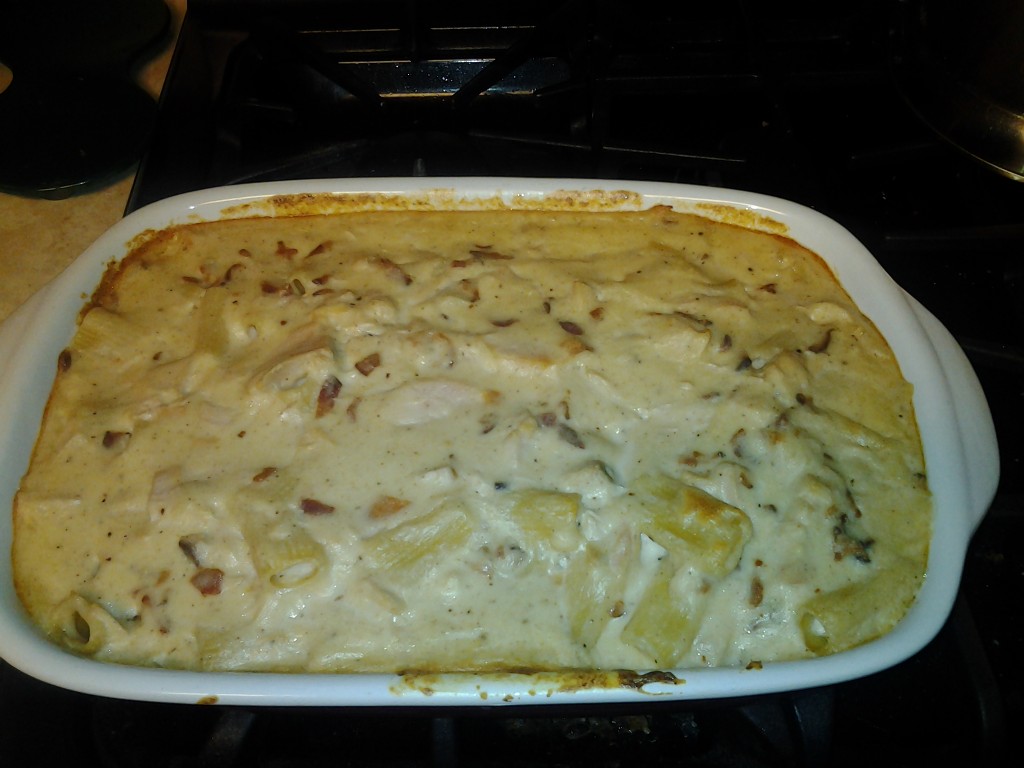
A flexible casserole formula you can assemble from whatever is already in the cupboard, turning leftovers and inexpensive staples into a complete dinner.
A comforting, budget-friendly chowder built on corn and simple pantry staples — the kind of pot of soup that stretches across several servings.
Weekly meal plans help you manage the grocery budget before the first grocery run of the week. Planning the week ahead keeps impulse food spending in check and makes leftovers work harder.
Comforting dishes such as Build Your Own Casserole and Corn Chowder, made with affordable, everyday ingredients.
Plans that map out your week of meals so grocery spending stays predictable and manageable.
Ideas for turning what you already have into meals, so groceries get used before they spoil.
| Step | What to do | Why it helps |
|---|---|---|
| 1 | Choose the week’s meals from a meal plan | Spends are decided before the money is |
| 2 | List ingredients from what you already own | Avoids buying duplicates |
| 3 | Shop with a list and a total in mind | Keeps the grocery bill on target |
| 4 | Batch one big dish during the week | Creates meals for later in the week |
| 5 | Cook at home instead of ordering take-out | Cuts a recurring monthly expense |
Cooking and budgeting go hand in hand — for more on taking control of your spending, visit the Klingtocash home page.